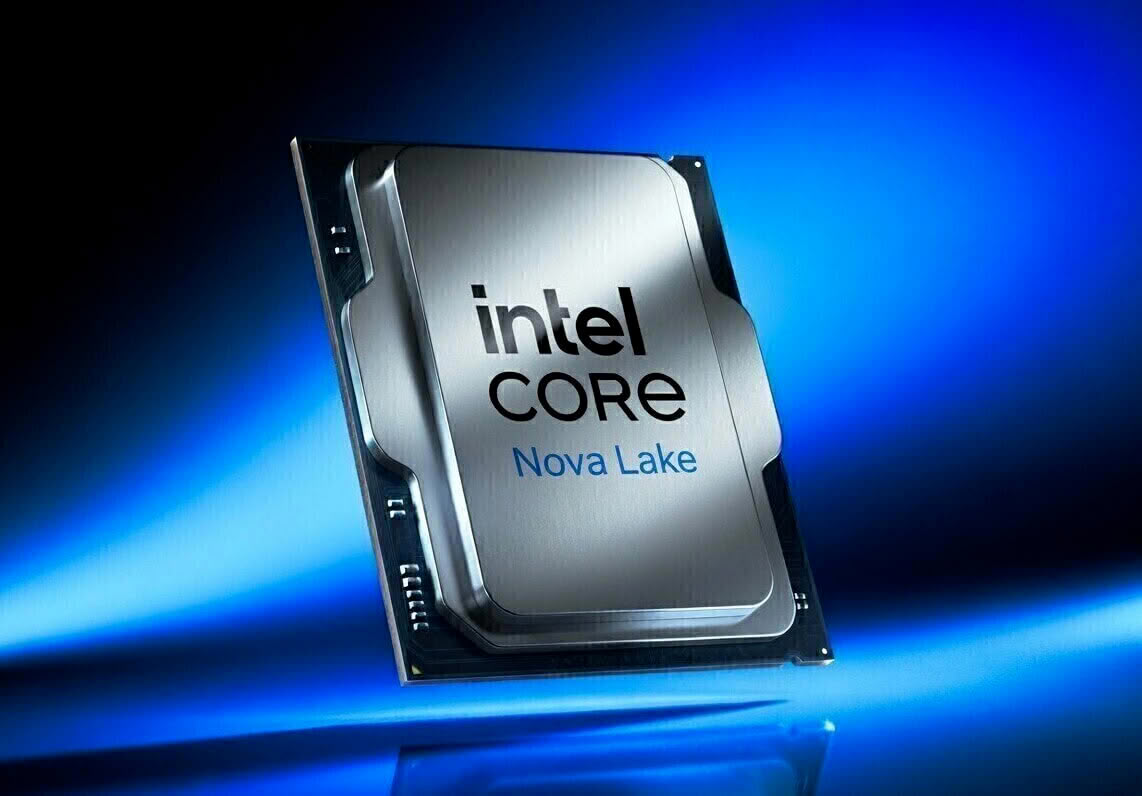
Intel Core Ultra Series 4 "Nova Lake" to Reintroduce AVX-512 Support
Intel is set to bring AVX-512 support back to its client processor lineup with the upcoming Core Ultra Series 4, codenamed "Nova Lake." This next-generation platform will feature the advanced 512-bit SIMD instruction set on both its "Coyote Cove" performance cores (P-cores) and "Arctic Wolf" efficiency cores (E-cores), according to industry expert Jay Kihn.
The inclusion of AVX-512 across both core types is a significant architectural decision. Ensuring an identical instruction set architecture (ISA) for P-cores and E-cores is essential for seamless thread migration. Without this uniformity, moving threads between different core types could lead to runtime errors due to ISA mismatches.
AVX-512: A Return After Rocket Lake
The last time Intel officially supported AVX-512 in its Core processors was with the 11th Gen "Rocket Lake" series. However, AVX-512 workloads on Rocket Lake were known to cause overheating issues, largely due to the limitations of the 14nm process node. As a result, Intel deprecated AVX-512 support in subsequent client microarchitectures, primarily because their efficiency cores did not support the instruction set.
With Nova Lake, Intel is expected to offer a client-focused subset of AVX-512 instructions, tailored for modern workloads. This move aligns with recent industry trends, as AMD introduced AVX-512 support with its "Zen 4" architecture and further enhanced performance in "Zen 5."
Implications for AI and Advanced Workloads
The reintroduction of AVX-512 in Intel's client CPUs could have a notable impact on AI inferencing and other compute-intensive applications. By enabling more powerful vector processing capabilities across all cores, Nova Lake processors are poised to deliver improved performance for advanced workloads, including artificial intelligence, scientific computing, and high-performance content creation.
As the demand for AI and machine learning applications continues to grow, the return of AVX-512 to Intel's mainstream processors marks a significant step forward in enabling next-generation computing experiences for both professionals and enthusiasts.